
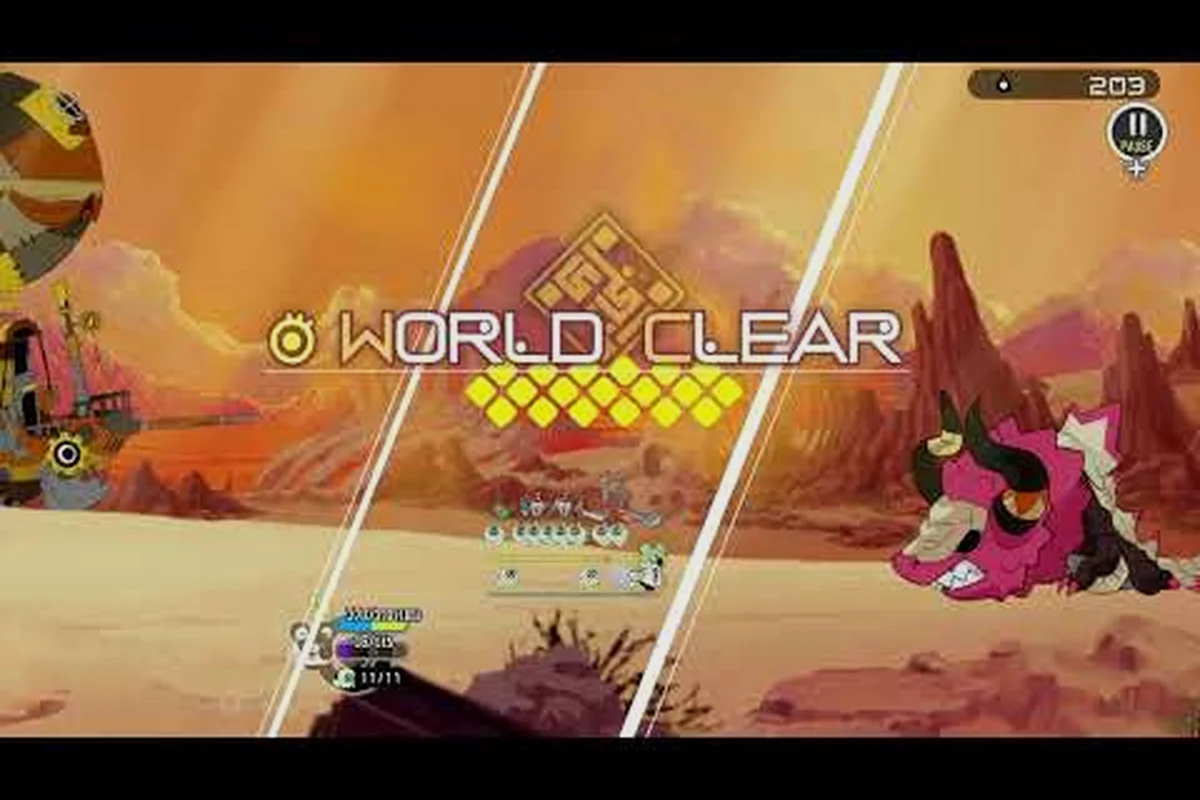
The Ratatan feedback form is the fastest route to reach the dev team when something breaks, a feature feels missing, or a performance patch is overdue. Version 1.0 shipped on October 14, 2026 after a long Early Access cycle, and player reports now flow through dedicated channels that shape the ratatan update schedule for patches, balance passes, and new content drops. Knowing which channel handles which issue saves a ticket from sitting unread for weeks and gets your bug in front of the people who can actually fix it. ls that shape the ratatan update schedule for patches, balance passes, and new content drops. Knowing which channel handles which issue saves a ticket from sitting unread for weeks and gets your bug in front of the people who can actually fix it, and once a fix ships you can confirm the details against the running Ratatan Patch Notes log to verify version numbers, changelists, and the exact scope of each patch.
Official Feedback Channels Compared
Ratatan routes player feedback through three primary entry points, and each one serves a different purpose. The wrong channel means slower triage, while the right one connects you directly to the team member who owns that area. Below is a breakdown of the main channels, what they accept, and the typical response window reported by community data.
| Channel | Primary Use | Accepts | Typical Response Time | Best For |
|---|---|---|---|---|
| Steam Discussions (ratatan hub) | General feedback, community polls | Bug reports, suggestions, balance ideas | 2-7 days, community-moderated | Player-to-player discussion, public bug visibility |
| Steam Support Ticket | Account/purchase issues | Refunds, pre-order bonus delivery, key activation | 1-3 business days | Billing, missing content, regional pricing |
| Official ratatan feedback form (developer site) | Direct dev team contact | Crash dumps, ratatan error log uploads, feature requests | 5-14 days, dev-reviewed | Hard bugs, reproducible crashes, design feedback |
| Discord #support channel | Quick troubleshooting | Login issues, version mismatches, party bugs | Minutes to hours, volunteer-moderated | Real-time help, workarounds, peer advice |
| Email (support@) | Sensitive or detailed reports | Attachments, long write-ups, media inquiries | 3-10 days | Bug evidence too large for forms, press contact |
The dedicated ratatan feedback form sits on the developer's official site and accepts the widest range of input, including large attachments and structured bug fields. Steam Discussions are the most visible because every post is public, which makes them useful when you want other players to confirm a bug. Discord is the fastest for low-stakes questions but the worst for anything requiring a paper trail, since chat history scrolls fast and moderators rotate.
When to Use Each Channel
Picking the wrong channel costs you days. A crash that should go to the ratatan feedback form with a log attachment might sit unanswered in Steam Discussions for a week, while a missing pre-order bonus routed to Discord will get a shrug instead of a refund. The table below maps common scenarios to the correct channel.
| Scenario | Correct Channel | Why |
|---|---|---|
| Game crashes on launch with dump file | Official ratatan feedback form | Devs need the .dmp + ratatan error log to repro |
| Pre-order bonus not in inventory | Steam Support Ticket | Account-bound, requires purchase verification |
| Boss feels overtuned, want a nerf | Steam Discussions | Public vote draws dev attention faster than private form |
| Feature request for new Cobun command | Official ratatan feedback form | Design team reviews tagged feature requests weekly |
| Party invite fails across regions | Discord #support | Volunteers have multi-region test setups ready |
| Frame drops on Steam Deck | Official ratatan feedback form | Needs system specs, driver version, and replay |
Filing a Bug Report That Gets Action
A well-structured bug report moves from inbox to triage in hours instead of weeks. The dev team triages ratatan customer support tickets by reproducibility, severity, and affected player count, so the more data you attach upfront, the higher your ticket ranks in the queue. Vague reports like "the game crashed" end up in a low-priority bucket because the team cannot reproduce them.
Anatomy of a High-Quality Report
Reports that get fixed share common traits: a clear repro path, attached evidence, and consistent version info. The official form fields are designed to capture exactly this, but most players skip half of them, which forces the QA team to ask follow-up questions and delays the ratatan performance patch that would have addressed the issue.
| Report Element | What to Include | Why It Matters |
|---|---|---|
| Game version | Build number from title screen (e.g. 1.0.2.1347) | Confirms bug exists in current branch, not an older patch |
| Platform | Steam Deck / Windows 11 / Switch 2 / PS5 | Crashes are often platform-specific; cross-references cut triage time |
| Repro steps | Numbered list, minimum steps to trigger | Lets QA reproduce without guesswork |
| Expected vs actual | One sentence each | Forces clarity on whether this is a bug or a misunderstanding |
| Attachments | Screenshots, video clip, ratatan error log, crash dump | Visual evidence closes disputes about what actually happened |
| Save file (if relevant) | Cloud or local save from the broken state | Lets devs load the exact broken scenario |
Common Mistakes That Get Reports Ignored
-
Filing in the wrong category: marking a crash as "feedback" instead of "bug" routes it away from QA
-
Omitting the version number: devs cannot tell if the bug still exists in the current build
-
Writing a wall of text without structure: bullet points beat paragraphs for triage readability
-
Reporting without reproducing: one-off crashes that cannot be triggered again get deprioritized
-
Not attaching the error log: the ratatan error log file in
%appdata%/ratatan/logs/is the single most useful attachment, and skipping it often stalls a fix -
Posting the same bug five times: duplicate reports split attention; one strong report with "me too" replies is more effective
A useful trick is to reproduce the bug twice before filing, which confirms it is not a one-off hardware glitch. Players who follow this pattern report that their tickets get tagged as "confirmed" by QA within the first batch, which puts them ahead of vague single-occurrence reports that wait for someone else to file a matching ticket.
The Ratatan Update Schedule and Patch Cadence
Ratatan's post-launch roadmap runs on a roughly monthly cadence for hotfixes and a longer cycle for content updates. The team publishes a rolling ratatan update schedule on the official site and mirrors it in Steam News posts, which gives players a predictable window for the next ratatan performance patch and any announced ratatan new content drops. Community tracking of these posts has produced a reliable pattern over the Early Access period and into Version 1.0.
| Patch Type | Cadence | Typical Contents | Source |
|---|---|---|---|
| Hotfix | 1-2 weeks | Crash fixes, server issues, blocker bugs | Steam News, urgent pins |
| Balance patch | 4-6 weeks | Character tuning, weapon adjustments, economy fixes | Dev blog, patch notes |
| Performance patch | 6-8 weeks | Frame-rate improvements, load-time cuts, memory leaks | Steam News, technical post |
| Content update | 8-12 weeks | New episodes, characters, modes, events | Roadmap post, trailer drop |
The Early Access period ran roughly a year before Version 1.0 shipped on October 14, 2026, which sets the baseline for the post-launch cadence. Players who followed the campaign point to the release date announcement on Steam and the postponement post when discussing the project's extended schedule, and those posts mark the start of the marketing cycle that ended with the simultaneous worldwide launch on Steam, Nintendo Switch 2, PlayStation 5, and Xbox Series X|S.
How Player Feedback Shapes the Roadmap
The dev team has confirmed in community AMAs that bug report volume and severity directly influence the next ratatan performance patch scope. A cluster of identical crash reports tagged "game-breaking" can bump a fix from a future patch into the current hotfix queue, while scattered reports of minor visual bugs wait for the next balance window. The team also reviews the ratatan feedback form feature-request section monthly and tags requests as "under review," "planned," "shipped," or "won't do," which gives players a visible signal that their input was read.
| Feedback Volume | Typical Dev Response | Time to Action |
|---|---|---|
| 1-3 reports, unreproducible | Tagged for QA testing, may wait 1-2 patches | 4-12 weeks |
| 4-10 reports, repro path included | Added to next hotfix or balance patch | 1-6 weeks |
| 10+ reports with crash data | Escalated to emergency hotfix, sometimes within days | 1-7 days |
| Single highly reproducible report with log | Often fast-tracked if severity is high | 3-14 days |
A useful pattern reported by long-time players: filing the same bug across two channels (for example, the ratatan feedback form plus a Steam Discussion thread) gives the dev team a public confirmation count that often accelerates the fix. The thread becomes a "me too" tally while the form carries the technical detail, and the combination tends to reach the triage threshold faster than either alone.
Error Logs, Crash Dumps, and Performance Data
Attaching the right file is the difference between a fix and a closed ticket. Ratatan generates several diagnostic files automatically, and knowing which one matches your bug saves the QA team a roundtrip. The most commonly requested file is the ratatan error log, which records engine warnings, script errors, and crash traces with timestamps.
| File Type | Location | Format | When to Attach |
|---|---|---|---|
| Error log | %appdata%/ratatan/logs/ or Steam install folder | .log (text) | Any crash, freeze, scripting error |
| Crash dump | %appdata%/ratatan/crashdumps/ | .dmp (binary) | Hard crashes that close the game to desktop |
| Performance trace | In-game overlay, Settings > Diagnostics | .csv or .json | Frame drops, stutter, load-time issues |
| Save file | %appdata%/ratatan/saves/ | .sav (encrypted) | Progress blockers, lost items, broken quests |
| Replay | Videos/Captures/ (if enabled) | .mp4 | Visual bugs, animation glitches, UI overlap |
| DxDiag | Press Win+R, type dxdiag, save | .txt | GPU/CPU-specific crashes |
Reading the Error Log Yourself
Players do not need to be engineers to extract useful info from the ratatan error log. Open the latest file in any text editor and search for the keyword ERROR or CRITICAL near the bottom of the file, which is where the most recent entry sits. The line above the error often names the system that failed, which is enough context to file a precise report.
| Log Entry Pattern | What It Means | What to Report |
|---|---|---|
OutOfMemoryException | RAM exhausted, usually a memory leak | Attach full log, list total system RAM |
NullReferenceException in [ScriptName] | Broken game script, often a quest trigger | Attach log, note the quest and step where it happened |
GPU driver crashed | Driver-level crash, often on older hardware | Attach DxDiag, note GPU model and driver version |
Connection timed out after 30000ms | Server or netcode issue | Note region, ISP, time of day, attach log |
Assertion failed: [variable] | Internal check failed, serious bug | Attach full log, note the action that triggered it |
Reporting a log with the relevant lines already highlighted saves QA from scanning megabytes of text, and the report is more likely to land in the same-day triage bucket. Players who do this consistently report faster fixes because the dev team can copy the line directly into the bug tracker.
Feature Requests and New Content Suggestions
The ratatan feedback form includes a dedicated feature-request section that feeds the design team's monthly review. Unlike bug reports, which are reactive, feature requests shape the ratatan new content roadmap months in advance. The team has shipped multiple player-suggested features since Early Access, including Cobun formation tweaks and accessibility options, which were first filed through this channel.
| Request Type | Review Priority | Example | Status Tag Used |
|---|---|---|---|
| Quality-of-life | Medium | Auto-sort inventory, skip cutscenes | Planned, Shipped |
| Balance change | High (if data-backed) | Nerf specific weapon, buff underused character | Under Review, Shipped |
| New mode | Low (scope-heavy) | PvP arena, boss rush | Under Review, Won't Do |
| Accessibility | High | Colorblind modes, remappable inputs | Planned, Shipped |
| Cosmetic | Low | New skins, emotes, banners | Shipped (in themed update) |
| Story/episode | Variable | New chapter, character backstory | Under Review (long timeline) |
Writing a Feature Request That Gets Read
The most upvoted requests in the public roadmap share a common structure: they describe the problem, the proposed solution, and the player benefit in that order. Vague requests like "add more content" get folded into the broad "new content" bucket without specifics, while focused requests like "add a chapter-select menu so I can replay Episode 3 without restarting" land in a sprint plan.
-
State the gap: what is the current behavior, and where does it fall short
-
Propose a specific solution: keep it scoped to one change rather than a redesign
-
Explain the benefit: who gains, how often, and what improves
-
Link to evidence: attach clips, screenshots, or examples from other games handled well
-
Keep it short: 100-200 words is the sweet spot for design team review
Players who tag their requests with the right category and attach a 30-second clip get a status update within two review cycles on average, based on the public roadmap changelog. Those who write essays without a clear ask tend to sit in the "general feedback" pile longer.
How the Dev Team Handles Player Issues
Ratatan's dev team operates a layered triage system, and understanding it helps set expectations about response time and fix priority. The ratatan customer support pipeline runs from initial report to QA repro to engineering fix to public patch note, and each stage has a different owner and timeline.
| Stage | Owner | What Happens | Player-Facing Output |
|---|---|---|---|
| Inbox triage | Community manager | Sorts reports by category, removes duplicates | Tag added (bug, feedback, request) |
| QA reproduction | QA testers | Attempts to trigger the bug on listed platform | Status: Confirmed or Cannot Reproduce |
| Engineering fix | Engineers | Writes patch, runs regression tests | Internal build |
| Patch note draft | Community manager | Writes public-facing description of the fix | Drafted entry |
| Release | Release manager | Pushes hotfix or rolls into next scheduled patch | Steam News post, patch notes |
| Post-release check | QA + community manager | Monitors for new reports of the same bug | Status: Resolved or Reopened |
The fastest resolution path reported by players: a bug filed with a complete repro path, a ratatan error log attachment, and a Steam Discussion thread that collects "me too" replies from other affected players. This combination usually clears triage in under 48 hours and lands in either the next hotfix or the current ratatan performance patch depending on severity. Bugs filed without logs or repro steps often wait for a second matching report before QA invests time in them, which is why single-player reports can sit for weeks.
Players who want to track their own report can bookmark the confirmation email sent by the ratatan feedback form, which includes a ticket ID and a status page link. The status page updates as the bug moves through the pipeline, which removes the need to chase the team for updates and lets you check progress at a glance.
Frequently Asked Questions
Where do I find the official Ratatan feedback form?
The official form lives on the developer's site under the Support or Contact section, and the same form handles bug reports, ratatan error log uploads, and feature requests. The Steam store page also links to it from the hub sidebar, and the preorder bonus listing on Steam confirms the official FAQ for delivery questions.
How long does Ratatan customer support take to respond?
Response time varies by channel: Steam Support tickets usually answer within 1-3 business days for account issues, while the ratatan feedback form for bugs and feature requests averages 5-14 days because each ticket goes through QA review. Discord volunteers often reply in minutes but cannot resolve billing or refund issues.
What should I include in a bug report to get it fixed faster?
Attach the ratatan error log, the build number from the title screen, your platform, a numbered repro path, and one screenshot or short clip. Reports with all five elements clear triage in under 48 hours on average, while vague reports without logs or repro steps wait for a second matching submission.
Can I request new content through the feedback form?
Yes, the form has a dedicated feature-request section that feeds the design team's monthly review. Focused requests with a clear problem, a specific solution, and a player benefit land in the public roadmap faster than broad asks, and the team tags each one as Planned, Under Review, Shipped, or Won't Do.
How do I check the status of the next Ratatan performance patch?
The ratatan update schedule is published on the official site and mirrored in Steam News posts, with hotfixes every 1-2 weeks, balance patches every 4-6 weeks, and ratatan performance patch builds every 6-8 weeks. The roadmap post also lists the next content drop window, which usually aligns with the 8-12 week content cadence.