
Characters
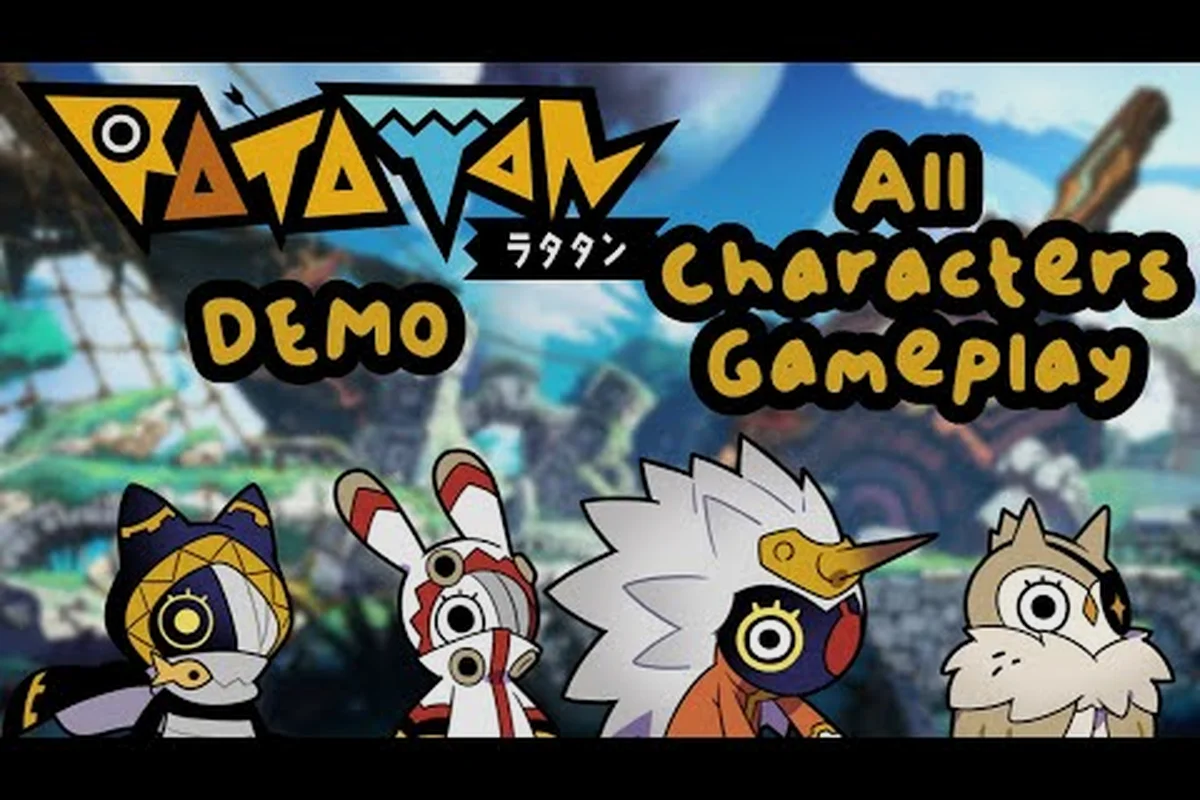
Every Ratatan character and Cobun explained: Keroronpa, Harigittan, Nyandola and Mimizukyun, their Ratatan Skills, voice cast and the Chorus that become Cobun.
Introduction
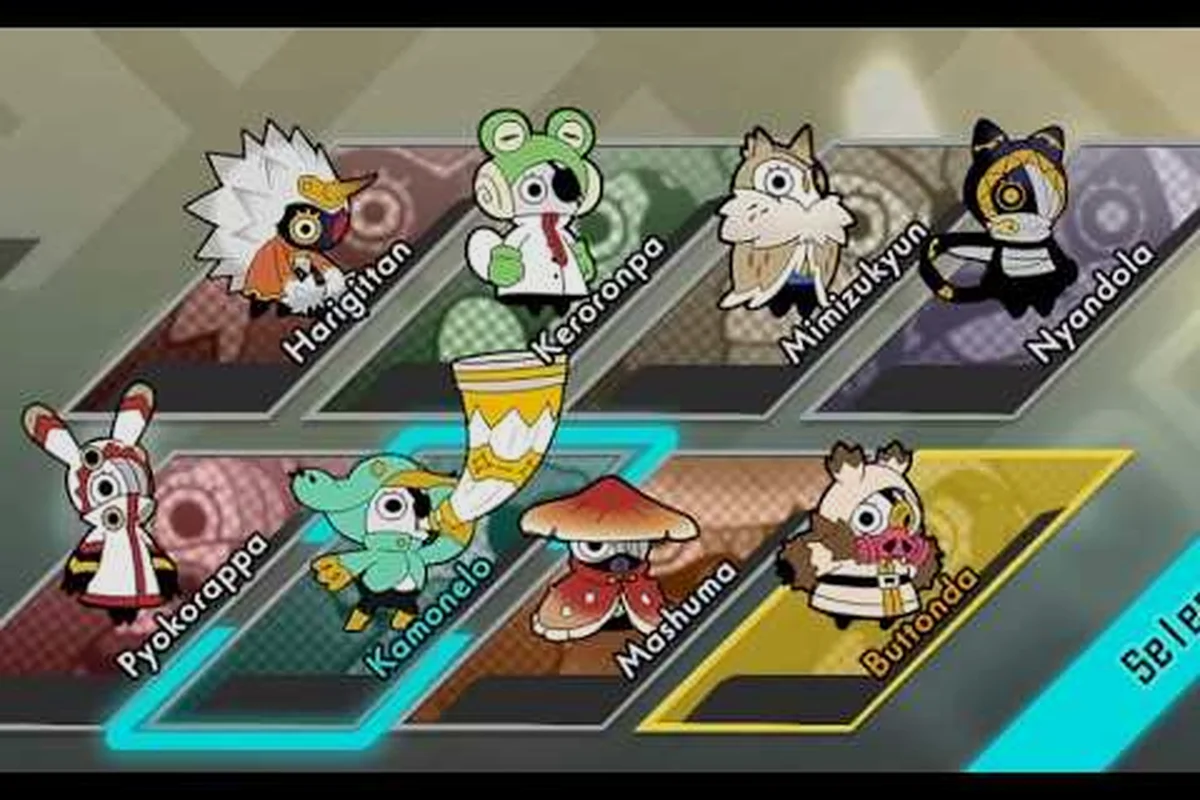
Ratatan characters are not the damage dealers, and understanding that early saves a lot of confusion. You pick one Ratatan to lead the march, and their Ratatan Skill reshapes the Cobun army that actually fights. Keroronpa raises tempers and morale as an agitator, Harigittan protects the line and converts that protection into counter offense, Nyandola slips onto single targets and bursts them down as an assassin, and Mimizukyun locks onto weak points from range as a sniper. Behind them march the Cobun, Chorus who devoured everything in their path until a Ratatan gifted them a Medama and they transformed into loyal soldiers carrying the appearance and characteristics of their master. Choosing a character means choosing how your army behaves, so read the archetypes before you commit upgrades to a favourite.
Ratatan Character Quick Compass
| Character | Archetype | Signature Skill | Voice Cast |
|---|---|---|---|
| Keroronpa | Agitator | Megaphone support that raises enemy tempers and party morale together | Masaya Fukunishi |
| Harigittan | Defensive | Protection riffs that convert into counter offense | Hika Tsukishiro |
| Nyandola | Assassin | Fast swipes and hip dance moves for single-target burst | Haruna Yuzuki |
| Mimizukyun | Sniper | Long-range weak point lock-on that does not let go | Youhei Azakami |
Character Roster
Keroronpa
Agitator with a megaphone, voiced by Masaya Fukunishi
Harigittan
Defensive lead voiced by Hika Tsukishiro
Nyandola
Assassin lead voiced by Haruna Yuzuki
Mimizukyun
Sniper lead voiced by Youhei Azakami
Core Mechanics
Every playable Ratatan brings a Ratatan Skill that changes how your army behaves, and the Cobun fighting on your behalf inherit the appearance and characteristics of their master. That inheritance is the reason two players using the same weapons and Ratakaruta can have completely different clears: a Keroronpa party leans on morale swings and enemy temper, while a Mimizukyun party plays around a locked weak point that converts focused fire into burst windows. Support characters exist alongside the four leads, and Fortrun the shanty-singing ship anchors the story side of the roster. Unlocks are tied to story progress rather than currency, so advancing episodes is how you widen your choice. Because Ratatan Skills do not scale with the same gear you equip on weapons, archetype choice stays relevant for the entire climb and is worth deciding early rather than rerolling later.
Advantages
Character choice is one of the few decisions in Ratatan that costs nothing to get right, because unlocks come from story progress rather than gacha pulls or premium currency. That means you can genuinely try each archetype in a real run and pick the one whose rhythm loop you enjoy instead of being strong-armed by a banner. The archetypes are also cleanly differentiated rather than being minor stat variations: an agitator changes how enemies behave, a defensive lead buys the seconds you need to re-issue commands, an assassin converts a good command window into a kill and a sniper turns positioning into persistent pressure. For co-op groups this matters even more, since four players covering different archetypes smooth out the moments where a single-target team would stall against a crowd.
Challenges
The roster is genuinely wider in flavour than in raw power, so a character you love for their personality may not be the fastest way to clear the Hard Boss modifier. Community consensus shifts as balance patches land, which means an archetype that feels dominant this month can be adjusted the next. There is also a real cost to experimenting mid-run: because Ratakaruta reset between runs, testing a new character is cheap, but retuning a Ratatan Dock upgrade path is not, so switching leaders late in a climb can leave you with upgrades that suit a playstyle you have abandoned. Finally, some effects interact in ways that are not fully documented in-game, so values attributed to skills are sometimes community-derived rather than datamined.
Frequently Asked Questions
Do characters cost money or gacha pulls to unlock?+
What are Cobun and how do they relate to characters?+
Is there a best character for hard content?+
Quick Tips
Decide your archetype before you spend. Ratatan Dock upgrades are permanent, and a track that suits a defensive lead can feel wasted on an assassin. Run a stage or two with a new character before you commit tokens to upgrades that only pay off for that playstyle. If an upgrade track only pays off for one archetype, hold the spend until you are certain which lead you are keeping.
Watch how your Cobun inherit you. The army mirrors its master, so if your lead is mobile and single-target focused your line will behave differently than under a defensive lead. Reading your own army at a glance tells you whether a stage plan will work before you lose the run.
Treat unlocks as content, not power. Because characters come from story progress rather than currency, the healthy loop is to push the story forward, try the new lead in a real stage and only then decide whether the upgrade path you already funded still makes sense. Treating unlocks as content rather than power keeps you from over-investing in a playstyle you have not actually tested in a stage.
Featured
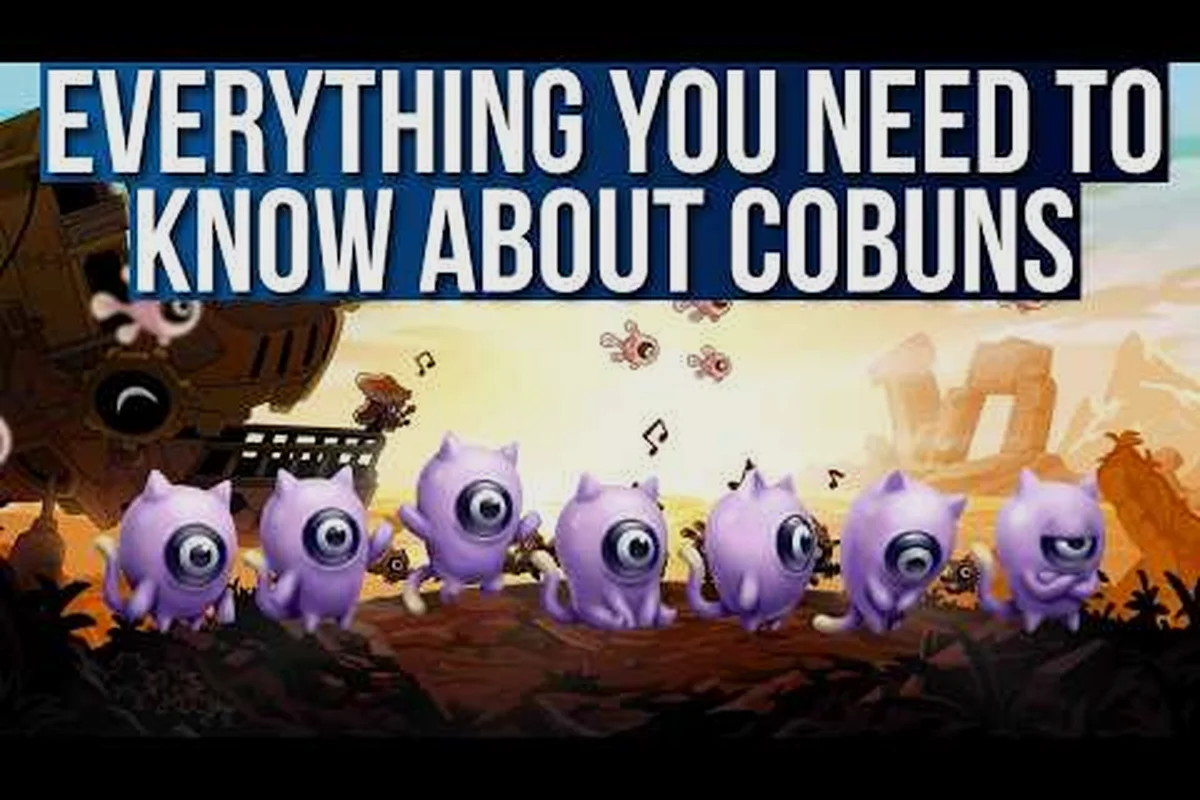
Ratatan How to Get More Cobun: Chorus, Ototo, Medama & Rataport
Learn how to get more Cobun in Ratatan by recruiting Chorus, Ototo, Medama, and Fortrun units, and discover which Rataport NPCs hand out the rarest companions.
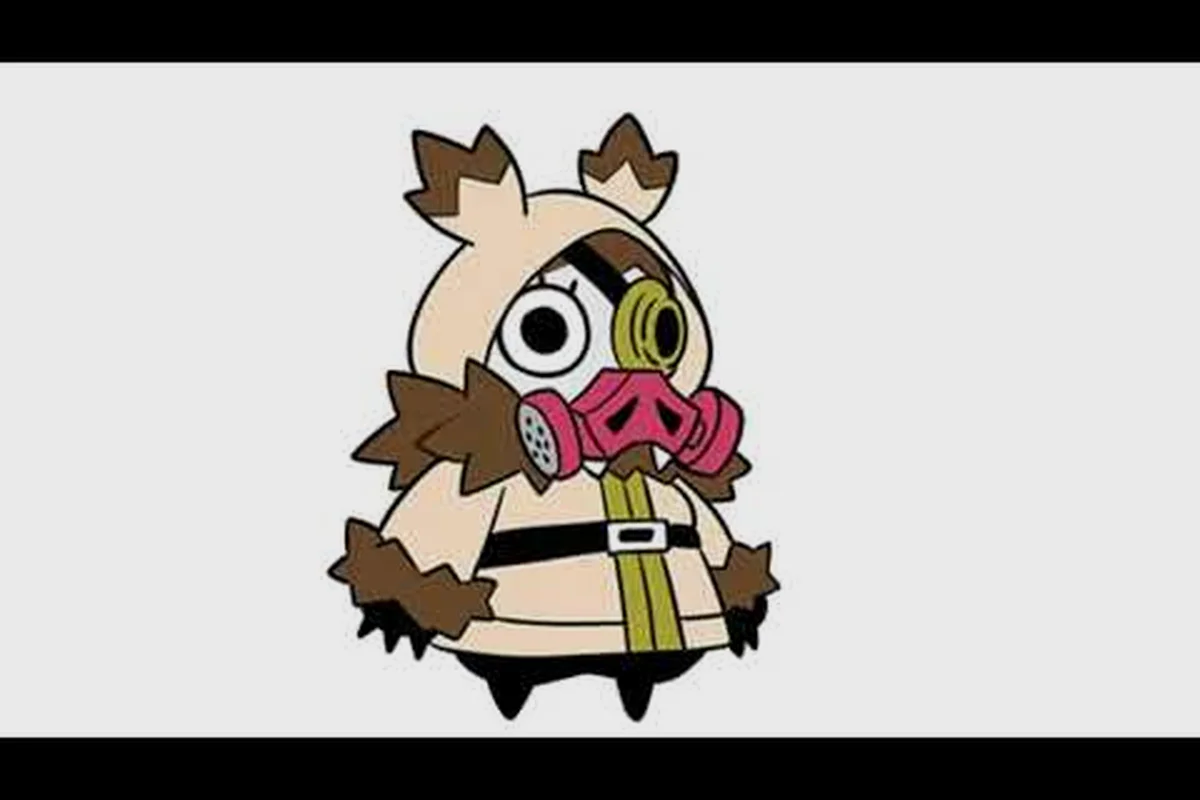
Ratatan Characters List: Full Roster Roles & Recruitment
Browse the complete Ratatan characters list with every hero's combat role, signature skills, and the exact recruitment steps needed to add them to your rhythm squad.
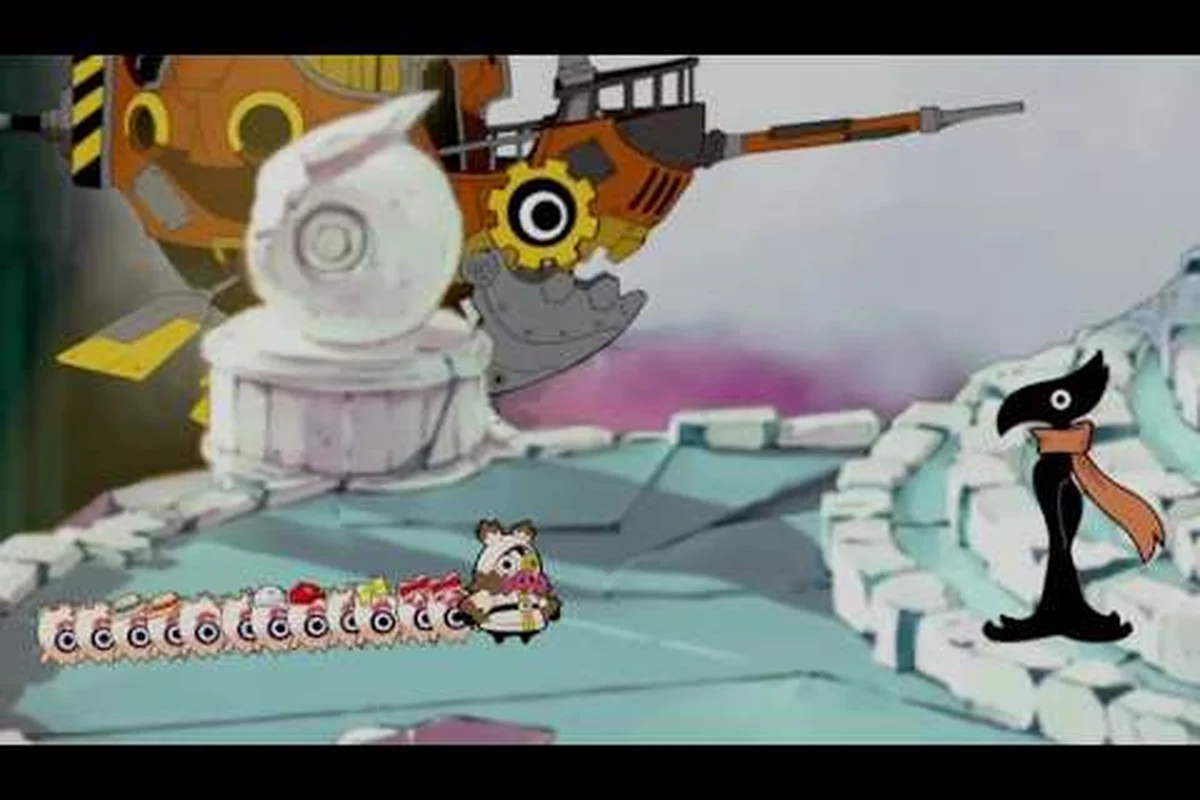
Ratatan Melee Characters: Roster, Formations & Cobun Command Tips
Meet every Ratatan melee character, learn their frontline roles, and master Cobun command formations that turn close-range squads into battlefield walls.
All Articles
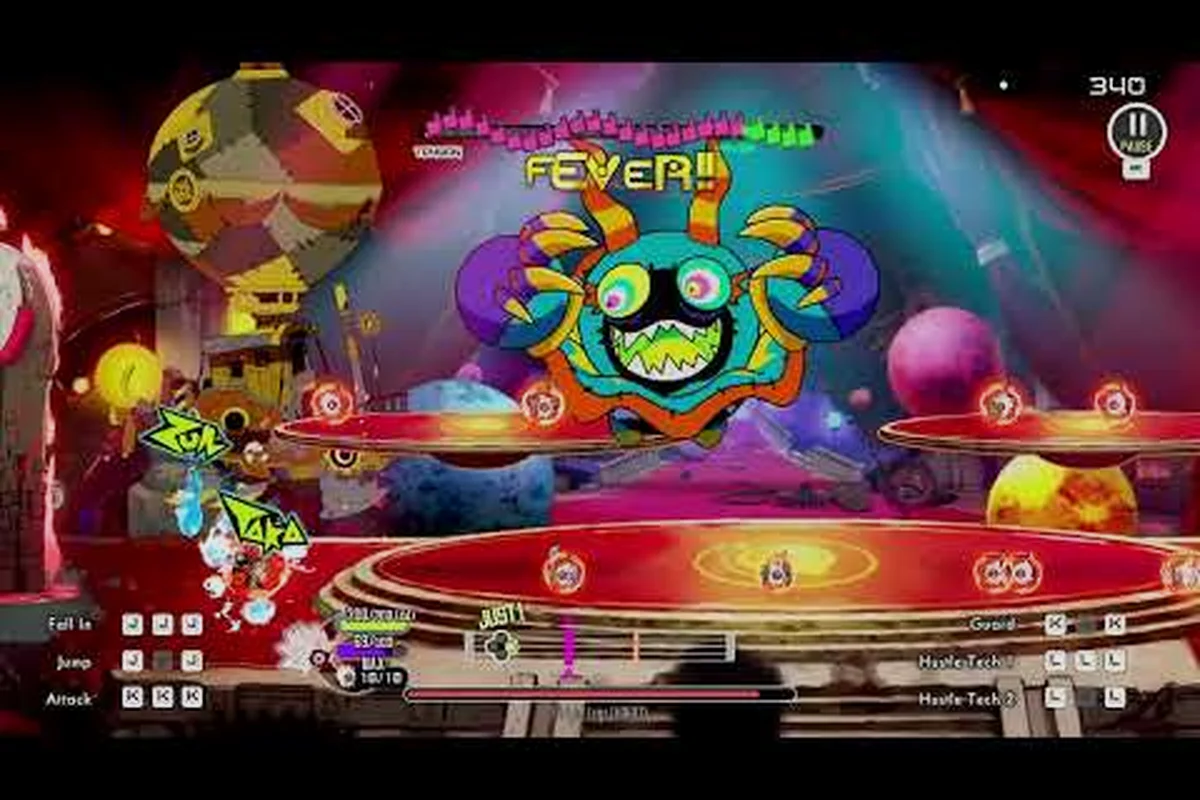
Ratatan Harigittan Build: Best Skills, Nyandola Setup & Tips
Forge a top Harigittan build in Ratatan with optimal skill paths, smart Nyandola pairings, and frontline tactics that keep the rhythm squad alive.
Ratatan Mimizukyun Build: Best Skills, Cobun Pairings & Style
Shape a dominant Mimizukyun build in Ratatan using proven skill priorities, Cobun pairing tips, and a playstyle tuned for rhythm-locked aggression.
Ratatan Character Gallery: Keroronpa, Harigittan & Full Roster
Tour the Ratatan character gallery with visuals of Keroronpa, Harigittan, and every roster member, plus design notes that explain what makes each hero unique.
Ratatan Skill Guide: Best Builds, Voice Cast & Designer Insights
Explore the Ratatan skill guide covering every character's abilities, the voice cast behind them, and designer Hiroyuki Kotani's vision for each build.